





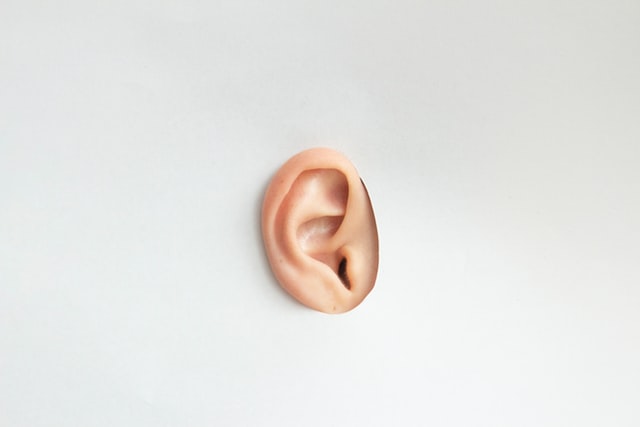
Unilateral deafness (SSD) is characterized by partial or total hearing loss in only one ear.
Like bilateral hearing loss, it represents a serious problem affecting an individual's performance in their daily life and proper communication.
Let's have a look at what unilateral hearing loss is and what are its causes!
What is Unilateral Hearing Loss?
With unilateral hearing loss, a person may have difficulty understanding what others are saying, especially if there is background noise. They may also have problems locating the origin of the sound and locating themselves spatially in space, with the risks implied while driving.
Thinking that hearing loss in one ear is a minor issue is a big mistake. It can affect people's daily lives, forcing them to put aside some of their activities due to their difficulties. Holding a conversation in a restaurant or bar is complex for someone with this hearing loss. It makes it difficult to discriminate language in noisy environments.
In minors, an untreated Unilateral Hearing Loss can represent problems in language acquisition and development and difficulties in their academic performance. And in adults, it can mean social isolation or job performance difficulties, as well as depression and anxiety, in some cases.
Causes of Unilateral Hearing Loss
Early detection is ideal for any case of hearing loss, both in children and adults, and it is no different in the case of unilateral hearing loss.
Unilateral deafness can have different origins. Sound trauma, viral (meningitis, mumps, etc.), bacterial infection, or even circulatory disorders are known causes of sudden deafness in one ear.
Unilateral deafness can be present from birth. Certain signs allow it to be identified in babies and young children:
- Speech and language delays
- Social-emotional issues
- General communication difficulties
- Psycholinguistic dysfunction. It is the ability to learn a language.
If in doubt, it is recommended to consult an audiologist who will give the child various hearing tests. If hearing loss is confirmed, several effective solutions exist. An audio prosthetist specializing in children's hearing can help parents choose a pediatric hearing aid.
Thanks to hearing aids, individuals with unilateral hearing loss can communicate effectively and interact socially. They are a solution often used in the case of unilateral hearing loss.
The CROS system works with a "transmitter" hearing aid placed on the deaf ear and a "receiver" device placed on the hearing ear. The sounds heard on the hearing-impaired side are thus transmitted to the other side, thus allowing 360° listening. For high-quality hearing aids and assistance from qualified staff specialists in hearing loss, contact Bay Area Audiology.
.svg)
.svg)








.svg)
.svg)
.svg)
